


Filtration process in industry
What is the filtration process in industry? : The filtration process in industry is a critical operation used to separate solids from liquids or gases by passing the mixture through a filter medium that traps the solid particles while allowing the liquid or gas to pass through. Filtration is essential in various industrial applications to ensure product purity, protect equipment, and improve process efficiency. Here’s an overview of the industrial filtration process:
1. Purpose of Filtration
- Product Purification: Removes impurities or contaminants from the final product to meet quality standards.
- Protection of Equipment: Prevents damage to pumps, valves, heat exchangers, and other equipment by removing solids that could cause abrasion, clogging, or fouling.
- Process Efficiency: Enhances the efficiency of manufacturing processes by ensuring that only clean fluids are used, which can improve the yield and quality of the end product.
- Environmental Compliance: Helps in treating wastewater or emissions to meet regulatory requirements before discharge or release into the environment.
2. Types of Filtration
- Liquid Filtration: Separating solid particles from liquids, common in water treatment, chemical manufacturing, and food processing.
- Gas Filtration: Removing particulates from gases, used in air purification, HVAC systems, and exhaust gas treatment.
- Membrane Filtration: Uses semi-permeable membranes to separate substances at the molecular level, widely used in water desalination and pharmaceutical production.
- Cake Filtration: Involves forming a layer (cake) of solids on the filter medium, which then acts as an additional filter for finer particles.
3. Filtration Equipment
- Filters: The primary equipment used, which can be made from various materials like mesh, fabric, paper, or membranes.
- Strainers: Typically used for coarse filtration, removing larger particles from liquids.
- Centrifuges: Use centrifugal force to separate solids from liquids, common in the chemical and food industries.
- Bag and Cartridge Filters: Used for finer filtration, where the fluid passes through a filter bag or cartridge that captures the solids.
- Automatic Self-Cleaning Filters: These are advanced filters that automatically clean themselves by removing accumulated solids without interrupting the process flow.
4. Filtration Process Steps
- Feed Introduction: The mixture of solid and liquid or gas is fed into the filtration system.
- Filtration: The fluid passes through the filter medium, which traps the solid particles. The fluid that passes through is called the filtrate.
- Cake Formation (in some processes): Over time, a layer of solids (cake) forms on the filter medium, which may act as an additional filtration layer.
- Cake Removal: The cake is periodically removed, either manually or automatically, to restore the filter’s efficiency.
- Filtrate Discharge: The clean fluid (filtrate) is collected and either further processed or discharged.
- Cleaning: The filter medium may require periodic cleaning to maintain its efficiency, especially in processes where fouling is a concern.
5. Common Applications of Filtration in Industry
- Water Treatment: Removal of suspended solids, bacteria, and other impurities from water used in industrial processes or for consumption.
- Chemical Processing: Separation of reactants, catalysts, or by-products to ensure the purity of chemicals.
- Food and Beverage: Filtration of juices, wines, oils, and other liquids to remove sediments and ensure product clarity.
- Pharmaceuticals: Sterilization and clarification of drugs, vaccines, and other medical products.
- Oil and Gas: Removal of particulates and water from crude oil, natural gas, and refined products.
- Metalworking: Filtration of coolants and lubricants to remove metal shavings and other contaminants.
6. Challenges in Industrial Filtration
- Clogging and Fouling: Over time, the filter medium can become clogged with solid particles, reducing efficiency and requiring frequent cleaning or replacement.
- Pressure Drop: As filters collect solids, the pressure drop across the filter increases, which can reduce flow rates and increase energy consumption.
- Filter Selection: Choosing the right filter medium and system for a specific application is critical to achieving the desired filtration efficiency while minimizing operational costs.
- Maintenance: Regular maintenance is required to ensure the longevity and efficiency of filtration equipment, including cleaning or replacing filter media and monitoring system performance.
7. Advances in Filtration Technology
“IWAKO” Strainer Filter, T Strainer Filter, Basket Strainer Filter, Duplex Strainer Filter, Automatic Strainer Filter, Automatic Backwash Strainer Filter, Hydrocyclone Separator, automatic strainer self cleaning and Temporary filter, Water Strainer Filter, Round Filter Element.
The filtration process is fundamental in numerous industries, ensuring that products meet quality standards, equipment is protected, and processes are efficient and environmentally compliant. Advances in filtration technology continue to improve the capabilities and efficiency of industrial filtration systems, making them indispensable in modern manufacturing and processing facilities.
For sales Strainer Filter, Handle Wheel Washing Basket Strainer, Basket Strainer Filter, Duplex Strainer Filter, Automatic Strainer Filter, Automatic Backwash Strainer Filter, Hydrocyclone Separator, automatic strainer self cleaning and Temporary filter, Water Strainer Filter, Round Filter Element , T Strainer Filter.
Line ID : @bbsinter
Tel. 061-5906036
Author Profile

Latest entries
 level gaugeสิงหาคม 24, 2026Industrial Welding Pad Level Gauge Supplier “IWAKO”
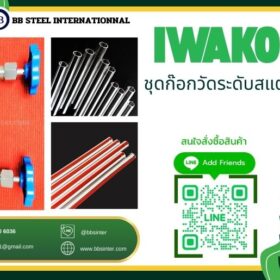 level gaugeสิงหาคม 21, 2026Water Liquid Level Gauge Cock Stainless Steel “IWAKO”
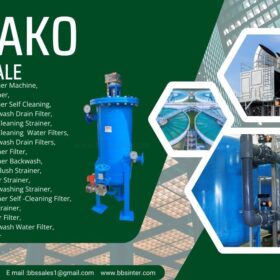 strainer filterสิงหาคม 17, 2026Automatic water filter used for water treatment
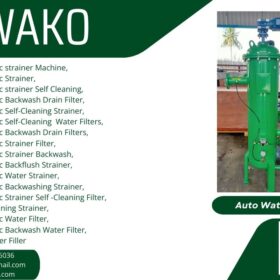 strainer filterสิงหาคม 17, 2026Automatic self-cleaning filters IWAKO ระบบบำบัดน้ำเสียและน้ำบริสุทธิ์ที่โรงงานไว้วางใจ
