


What is the difference between a manual and automatic self-cleaning strainer?
What is the difference between a manual and automatic self-cleaning strainer? : The primary difference between a manual and an automatic self-cleaning strainer lies in how they handle the cleaning process to remove debris and contaminants. Here are the key distinctions:
Manual Basket Strainers
- Cleaning Process:
- Manual Cleaning Required: Manual strainers require regular cleaning by an operator. The system must be shut down, and the strainer removed and cleaned manually to remove accumulated debris.
- Downtime: This process can result in significant downtime, especially if the strainer needs to be cleaned frequently.
- Maintenance:
- Higher Maintenance Effort: Manual strainers typically require more frequent maintenance and attention from operators, including regular inspection and cleaning.
- Operator Involvement: Operators need to be trained and available to perform the cleaning tasks.
- Cost:
- Lower Initial Cost: Manual strainers generally have a lower initial purchase cost compared to automatic self-cleaning strainers.
- Higher Operational Cost: Over time, the operational costs can be higher due to labor, downtime, and more frequent maintenance.
- Applications:
- Low Contamination: Manual strainers are often used in applications where the contamination load is low, and cleaning is infrequent.
Automatic Self-Cleaning Strainers
- Cleaning Process:
- Automatic Cleaning: Automatic self-cleaning strainers are equipped with mechanisms that allow them to clean themselves automatically without the need for manual intervention.
- Continuous Operation: These strainers can operate continuously, with the cleaning cycle initiated by differential pressure sensors or preset intervals, reducing downtime significantly.
- Maintenance:
- Lower Maintenance Effort: They require less frequent maintenance and minimal operator involvement since the cleaning process is automated.
- Periodic Inspection: Regular inspections and occasional maintenance are still necessary to ensure optimal performance.
- Cost:
- Higher Initial Cost: Automatic self-cleaning strainers typically have a higher initial purchase cost due to the additional components and technology involved.
- Lower Operational Cost: They can be more cost-effective in the long run due to reduced labor, less downtime, and lower maintenance costs.
- Applications:
- High Contamination: These strainers are ideal for applications with a high level of contaminants, such as water treatment, oil and gas, food and beverage, and industrial processes, where frequent cleaning is required.
Summary
- Manual Strainers: Require manual cleaning, higher operator involvement, lower initial cost, suitable for low contamination applications.
- Automatic Self-Cleaning Strainers: Clean themselves automatically, lower maintenance effort, higher initial cost, suitable for high contamination applications, and offer continuous operation with minimal downtime.
Choosing between a manual and automatic self-cleaning strainer depends on the specific needs of the application, including contamination levels, maintenance capabilities, and budget considerations.
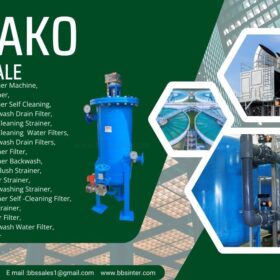
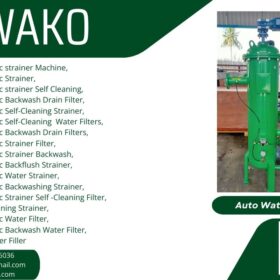
For sales Strainer Filter “IWAKO” : Auto Self Cleaning Strainers ,Automatic Basket Strainer, Automatic Backwash Strainer, Automatic Strainer Machine , Automatic Strainer Self-Cleaning , Automatic Self-Cleaning Water Filters , Automatic Backwash Drain Filter , Automatic Backwashing Strainer , Automatic Backflush Strainer , Automatic Water Strainer.
Line ID : @bbsinter
Tel. 061-5906036
Author Profile

Latest entries
 level gaugeสิงหาคม 24, 2026Industrial Welding Pad Level Gauge Supplier “IWAKO”
 level gaugeสิงหาคม 21, 2026Water Liquid Level Gauge Cock Stainless Steel “IWAKO”
 strainer filterสิงหาคม 17, 2026Automatic water filter used for water treatment
 strainer filterสิงหาคม 17, 2026Automatic self-cleaning filters IWAKO ระบบบำบัดน้ำเสียและน้ำบริสุทธิ์ที่โรงงานไว้วางใจ
